
Abhishek slaps 10-crore defamation notice on Madan Mitra over 'murderer' jibe
.gif)

Download Mobile App 






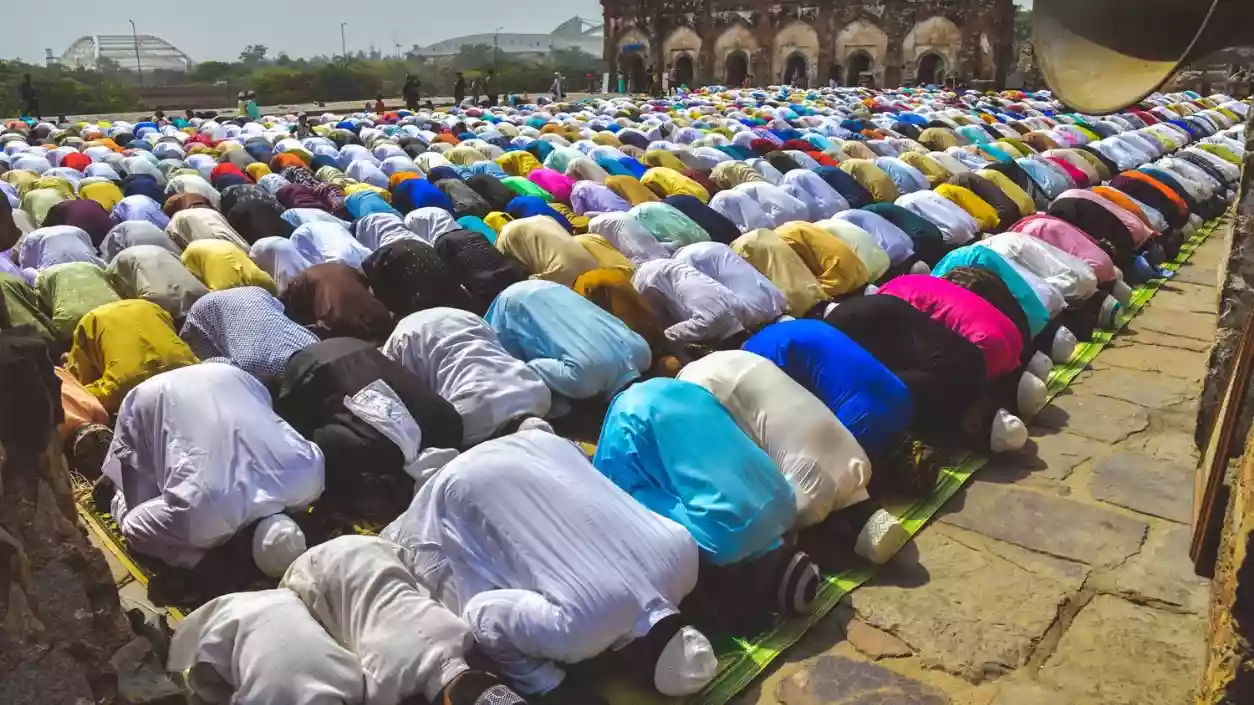
In a significant ruling, the Allahabad High Court has clarified that regular or organised religious gatherings on private property are not beyond the scope of state regulation. The court observed that while personal and limited religious practices remain protected, large-scale or recurring congregational activities may attract legal oversight if they impact public order or civic life.
The division bench explained that private property can be used for individual or occasional religious practices as long as such activities remain non-disruptive and confined to a private setting. However, once the nature of the activity changes into regular, organised gatherings involving people beyond a limited private circle, it assumes a public character and may fall under regulatory control.
The court also addressed earlier judgments that had suggested no permission was required for holding prayers on private property. It clarified that such rulings should not be interpreted as granting blanket immunity to all forms of religious gatherings. Instead, those decisions apply only to genuinely private, limited, and non-disruptive activities, not to organised congregations that affect the surrounding area.
Highlighting constitutional principles, the bench noted that the right to practice religion is subject to public order, morality, and health. It emphasised that no individual can claim unrestricted use of land—especially public land—for recurring religious gatherings, as such activities can impact movement, access, safety, and social harmony.
The ruling came while dismissing a plea seeking permission to offer prayers on land in Uttar Pradesh’s Sambhal district. The court observed that the petitioner was not continuing an existing limited practice but attempting to introduce large-scale gatherings, which justified regulatory intervention by the state.






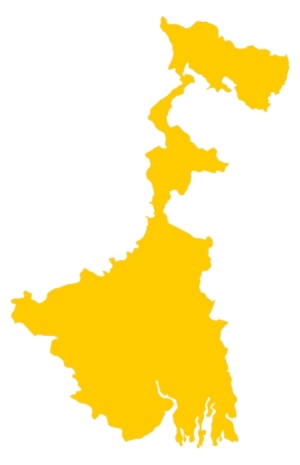 West Bengal
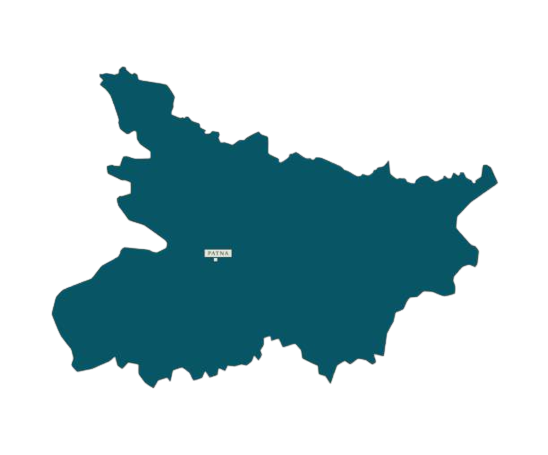 Bihar
Bihar Uttar Pradesh
 Jharkhand